Postal Address

3, Red Cross Road, New Delhi - 110001. INDIA.

Phone Number

– 011-23715217

– 011-23711303

Email Address

tbassnindia@yahoo.co.in

about us

The Tuberculosis Association of India is a Voluntary Organization

The Tuberculosis Association of India (TAI) has been serving the cause of tuberculosis since 1939. It is one of the oldest and largest voluntary organizations having its affiliates all over the country. It was set up in February, 1939 as a registered society by incorporating the King Emperor’s Anti-Tuberculosis Fund and King George Thanks-giving (Anti-Tuberculosis) Fund. Her Excellency the Marchioness of Linlithgow was the first President of the Association when the Tuberculosis Association of India was established on February 23, 1939. In 1940 the Tuberculosis Association of India and Government of India decided to set up jointly the New Delhi Tuberculosis Centre as a model clinic.

TAI Chairman's message on World TB day

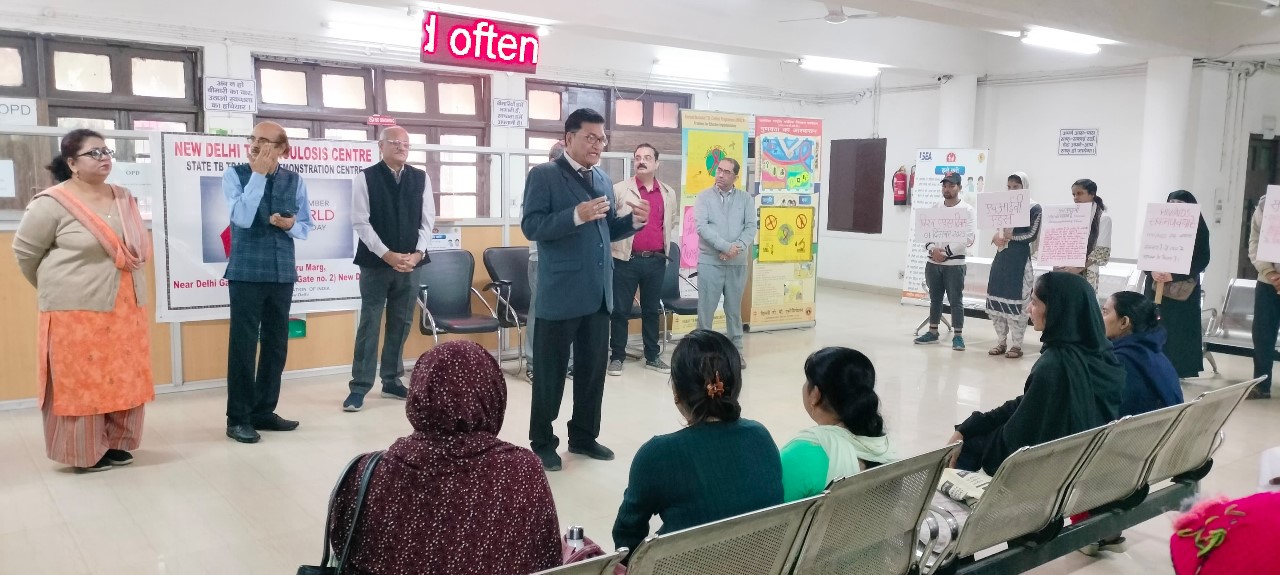
This is the frontline of India's battle against tuberculosis....At a clinic in New Delhi, staff are running an awareness campaign about TB for patients and caregivers. Symptoms include cough, fever, night sweats, feeling tired and unwell and also weight loss. The infection usually targets the lungs but can spread to other parts of the body and cause even more health problems. Tuberculosis continues to be a major public health challenge impacting millions in India, despite significant progress made in its diagnosis and treatment. According to the World Health Organization ( WHO), India has one of the highest incidence rates of TB in the world. This walk-in TB centre is run by the Tuberculosis Association of India. The Association is a voluntary group that provides resources for advocacy and supports initiatives to reduce stigma, transmission and increased access to quality care. “26% of the global TB cases are now in India. And the mortality is also still high. And the incidence, of course, has shown reduction by great efforts by the government of India,” said Dr, VK Arora, Chairman the Tuberculosis association of India. According to India’s Health ministry, TB incidence in India has dropped by 21% - from 237 per 100,000 population in 2015 to 187 in 2024 – almost double the rate of decline observed globally. The TB mortality rate is down too, from 28 per 100,000 population in 2015 to 21 in 2024. But experts say the number of missing cases not reported or diagnosed may still be significant including latent and asymptomatic cases which may not be detected. Official figures from India’s health ministry show that 2.6 million TB patients were diagnosed in 2024 out of an estimated incidence of 2.7 million cases while treatment coverage increased to 92%, reflecting the success of detection strategies and expanded access to care. While TB remains one of the world’s deadliest infectious killers, it is both preventable and curable. Dr Arora says: “regular treatment with correct drugs and for a prescribed period” is critical for the TB patients and its cure helps deal with the social stigma attached to the disease. “Stigma, once removed, it greatly helps not only patients trust in the caregiver but also helps them to complete the treatment and ultimately get cured. And once the patient gets cured, obviously the chain of infection through him gets reduced,” he explains. Experts say the main issues in controlling TB are prevention, early detection, treatment, community intervention, and tackling misinformation and stigma. India’s flagship TB elimination mission was launched in December 2024 and plans to expand its community screening efforts for early diagnosis, ensuring free treatment, strengthening nutritional support and improving patient care. The health authorities have also scaled up a differentiated TB care approach to identify high risk TB patients based on clinical parameters and presence of co-morbidities like HIV that impact treatment outcomes. Dr Arora says the benefits of the government program often do not reach those on the periphery, both socially and economically. “The benefits still are not with those people like migrant populations, the people with other co-morbidities like diabetes, HIV. And these continue to have a large pool of infection. And since this tuberculosis bacillus is an infectious one, therefore the disease continues to be there,” he says. India’s earlier goal was to eliminate TB by 2025. While WHO’s “End TB Strategy” proposes to end the global TB epidemic by 2035, experts say the scale of the problem makes the target “unrealistic.” To my mind, to be honest, it will be not less than next 30 years before we can see the control of tuberculosis in our country and elimination of tuberculosis may take further about 10 years, a decade,” says Dr Arora. TB is caused by bacteria that attack the lungs, and is spread through the air when an infectious person coughs or sneezes. Roughly a quarter of the global population is estimated to have TB, but only a fraction develop symptoms. It can be fatal if not treated, and is one of the top causes of death worldwide.

This is the frontline of India’s battle against tuberculosis.
At a clinic in New Delhi, staff are running an awareness campaign about TB for patients and caregivers.
Symptoms include cough, fever, night sweats, feeling tired and unwell and also weight loss.
The infection usually targets the lungs but can spread to other parts of the body and cause even more health problems.
Tuberculosis continues to be a major public health challenge impacting millions in India, despite significant progress made in its diagnosis and treatment.
According to the World Health Organization ( WHO), India has one of the highest incidence rates of TB in the world.
This walk-in TB centre is run by the Tuberculosis Association of India.
The Association is a voluntary group that provides resources for advocacy and supports initiatives to reduce stigma, transmission and increased access to quality care.
“26% of the global TB cases are now in India. And the mortality is also still high. And the incidence, of course, has shown reduction by great efforts by the government of India,” said Dr, VK Arora, Chairman the Tuberculosis association of India.
According to India’s Health ministry, TB incidence in India has dropped by 21% – from 237 per 100,000 population in 2015 to 187 in 2024 – almost double the rate of decline observed globally.
The TB mortality rate is down too, from 28 per 100,000 population in 2015 to 21 in 2024.
But experts say the number of missing cases not reported or diagnosed may still be significant including latent and asymptomatic cases which may not be detected.
Official figures from India’s health ministry show that 2.6 million TB patients were diagnosed in 2024 out of an estimated incidence of 2.7 million cases while treatment coverage increased to 92%, reflecting the success of detection strategies and expanded access to care.
While TB remains one of the world’s deadliest infectious killers, it is both preventable and curable.
Dr Arora says: “regular treatment with correct drugs and for a prescribed period” is critical for the TB patients and its cure helps deal with the social stigma attached to the disease.
“Stigma, once removed, it greatly helps not only patients trust in the caregiver but also helps them to complete the treatment and ultimately get cured. And once the patient gets cured, obviously the chain of infection through him gets reduced,” he explains.
Experts say the main issues in controlling TB are prevention, early detection, treatment, community intervention, and tackling misinformation and stigma.
India’s flagship TB elimination mission was launched in December 2024 and plans to expand its community screening efforts for early diagnosis, ensuring free treatment, strengthening nutritional support and improving patient care.
The health authorities have also scaled up a differentiated TB care approach to identify high risk TB patients based on clinical parameters and presence of co-morbidities like HIV that impact treatment outcomes.
Dr Arora says the benefits of the government program often do not reach those on the periphery, both socially and economically.
“The benefits still are not with those people like migrant populations, the people with other co-morbidities like diabetes, HIV. And these continue to have a large pool of infection. And since this tuberculosis bacillus is an infectious one, therefore the disease continues to be there,” he says.
India’s earlier goal was to eliminate TB by 2025.
While WHO’s “End TB Strategy” proposes to end the global TB epidemic by 2035, experts say the scale of the problem makes the target “unrealistic.”
To my mind, to be honest, it will be not less than next 30 years before we can see the control of tuberculosis in our country and elimination of tuberculosis may take further about 10 years, a decade,” says Dr Arora.
TB is caused by bacteria that attack the lungs, and is spread through the air when an infectious person coughs or sneezes.
Roughly a quarter of the global population is estimated to have TB, but only a fraction develop symptoms.
It can be fatal if not treated, and is one of the top causes of death worldwide.
Vision Statement:

“TAI envisions a TB-free India through collaborative efforts with Government, health care providers and NGOs in healthcare sector for a healthier future for all.” 

Mission statement:

“The mission of TAI is to combat the TB epidemic by providing comprehensive support, education, and resources through strategic partnerships, advocacy and research driven initiatives to reduce stigma, transmission and increased access to quality care. Our ultimate goal is to reinforce the efforts of National TB Programme towards eradication of TB.”

Its aims and objectives are:

  • The prevention, control, treatment and relief of tuberculosis.
  • The encouragement of and assistance in the establishment throughout India of State Associations having objectives similar in whole or in part to those of the Association.
  • The affiliation or control of and the rendering of assistance to any institution having objectives similar in whole or in part to the objects of the Association.
  • The undertaking of the Research and Investigation on subjects concerning tuberculosis and allied chest diseases.
  • The doing of all such things as are incidental or conducive to the attainment of the above objectives.
THE PREVENTION
CONTROL
TREATMENT & RELIEF OF TUBERCULOSIS

highlights of 2023

9

Short term Research Projects approved

74

TB Seal Campaigns since inception

77

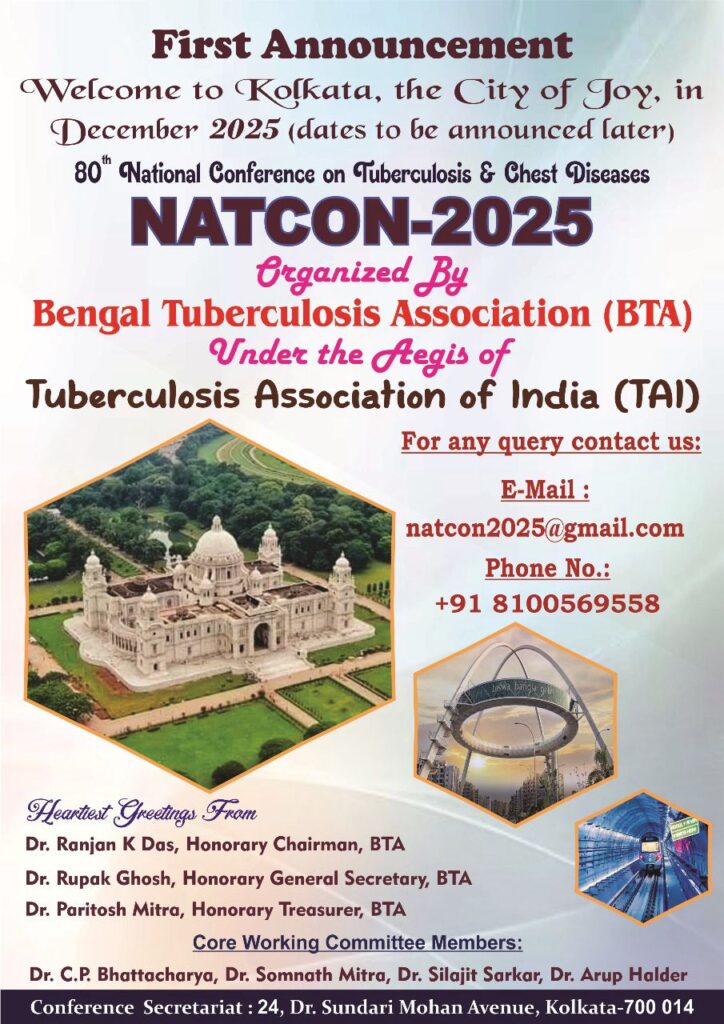
National Conferences on TB and Chest Diseases organized since inception

Editorials

IMPORTANT ANNOUNCEMENT

Blog on World TB Day

To mark the World Tuberculosis Day, the New Delhi TB Centre on 22nd March, 2024  organized health awareness talk on Tuberculosis.  The event was facilitated by Dr. Sanjay Rajpal, Director, NDTB Centre, Dr. Ashwani Khanna, Chairman, NDTB Centre, Dr. K.K. Chopra, Consultant, NDTB Centre, , Mr. Vikram Malhotra, Secretary General, TAI, Dr. Shanker Matta and Mrs. Shadab Khan. 

WORLD AIDS DAY PROGRAMME

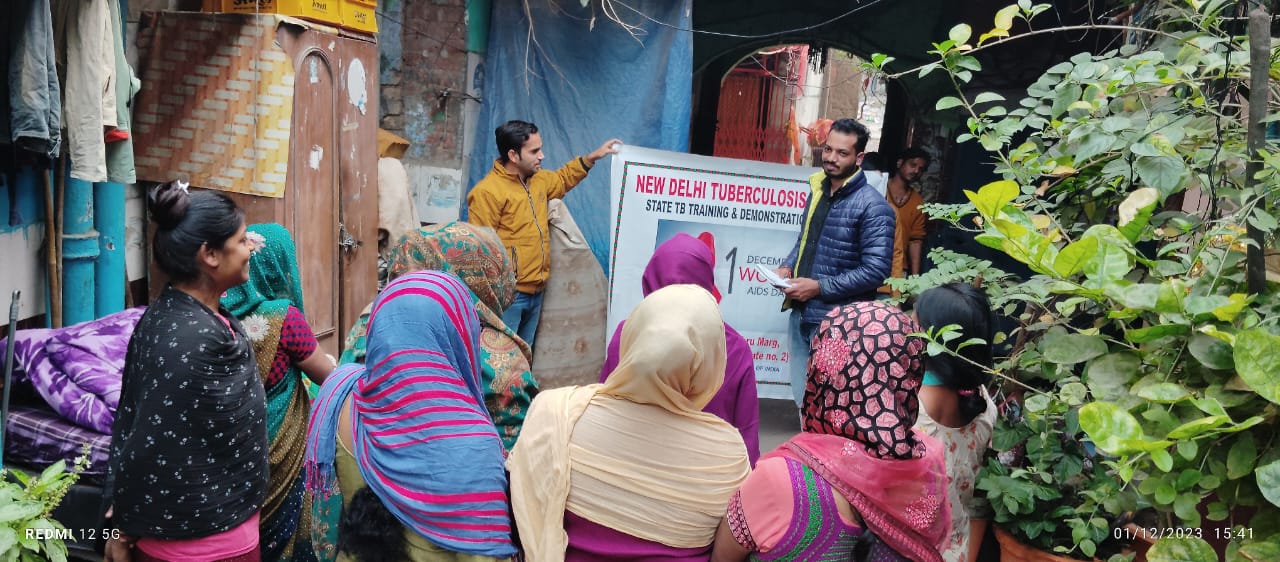
TAI and its technical arm, New Delhi TB Centre observed the World AIDS Day on 1st December 2023. At the function organized in the NDTB Centre, Chairman TAI Prof (Dr.) V.K. Arora, Vice Chairman TAI , Dr Ashwani Khanna, Director New Delhi TB Centre, Dr K.K.Chopra and other senior officials of TAI and NDTB Centre were present.  

SPUTUM DISINFECTION

Mycobacteria do remain alive for at least 24 hours in sputum in natural conditions and hence are potentially transmissible. Therefore sputum needs to be disinfected …

MDR TB

The diagnosis and treatment guidelines of DR-TB is still evolving, and India is updating the same in concurrence with the WHO recommendations. However, at the national level, there are various gaps including logistics, …

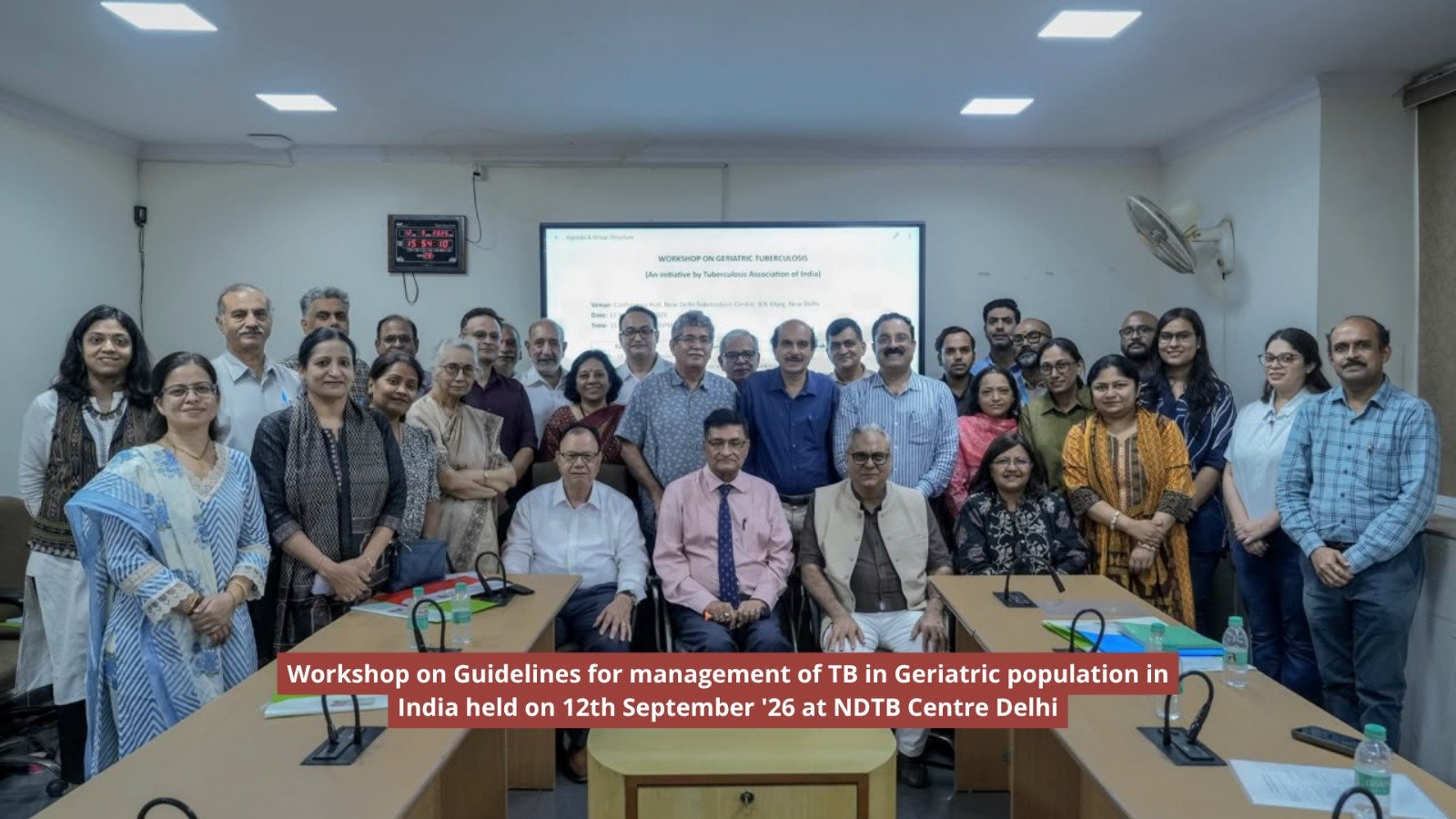
GERIATRIC TUBERCULOSIS

The age of tuberculosis patients will continue to rise with the improvement of the epidemiologic situation, resulting from an ever-improving quality of the NTEP in curtailing transmission.

TB SENSITIZATION OF FINAL YEAR BHMS STUDENTS

TB Association of India regularly conducts Sensitization session for medical and para medical staff about Tuberculosis.

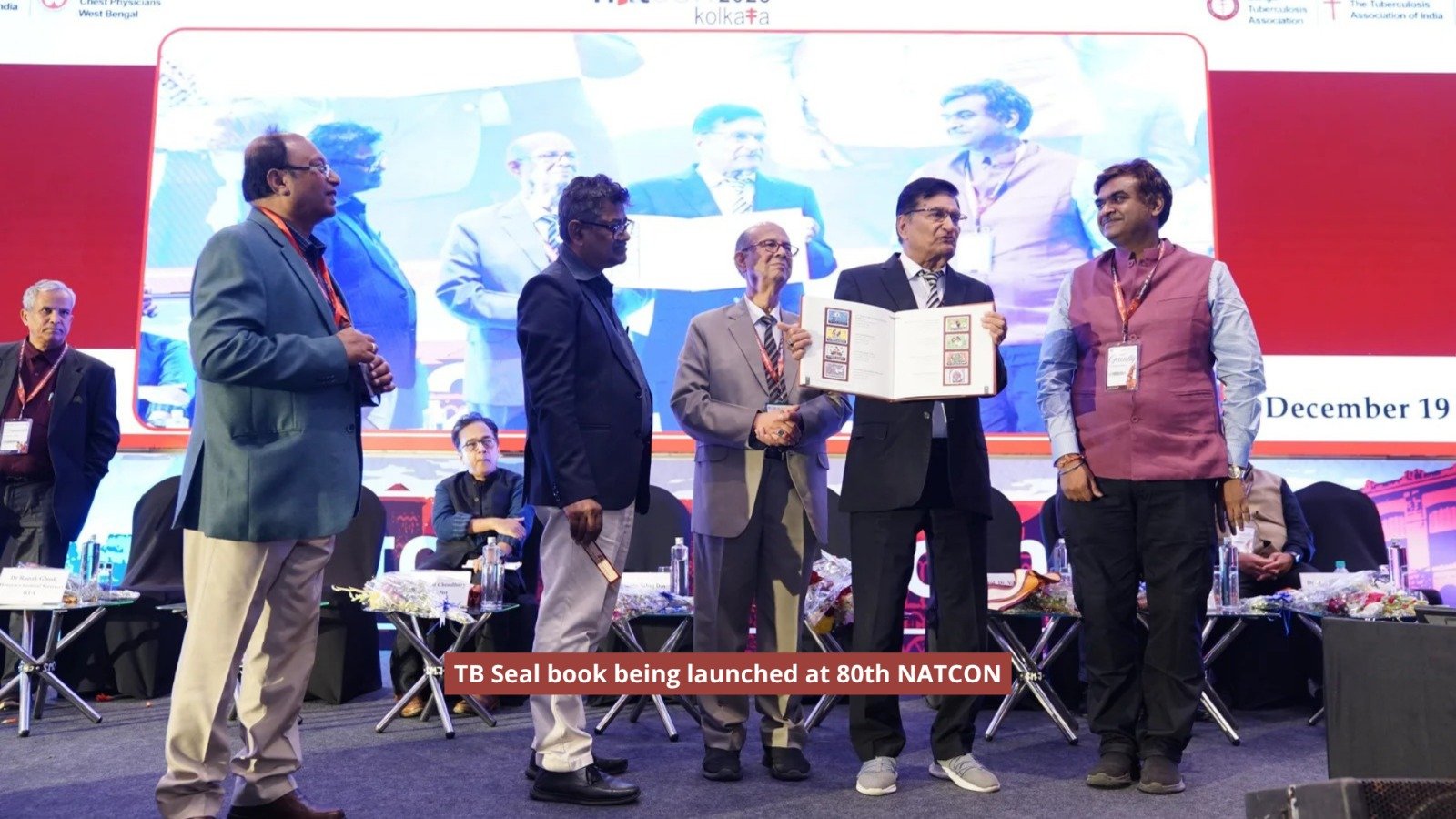
76th TB Seal Campaign SOUVENIR 2025

gallery of TAI

From the Archives

CTA

get appointment